The National Park Service manages 433 sites, yet only 63 are formally designated national parks; state parks answer to state governments. If you’re planning an outdoor trip in the United States, the label can help you understand who looks after a place, but it won’t tell you everything about your visit.
A National Park System unit is a federally managed site in the National Park Service system, a broader category than places formally designated as national parks. Management is the clearest distinction, while size, natural beauty, landscape, recreation, services, and price vary from park to park. A state park can be a memorable destination in its own right, not just a backup when a national park is too far away.
Knowing who manages each place gives you a useful starting point. From there, you can compare the sites that fit your plans and choose the one that makes the most of your time outdoors.
Key Takeaways
- National parks are federally established and managed by the National Park Service.
- State parks are designated and managed under state authority.
- Park size, scenery, services, and fees vary by individual site.
- Some National Park System units are not formally called national parks.
- Check each park’s official rules and current fees before you go.
Who Manages National and State Parks?
Federal law and the National Park Service govern national parks, while state authority and state agencies govern state parks. The distinction is about responsibility, not a promise that one park will be larger or better equipped than another.
Federal parks and the National Park Service
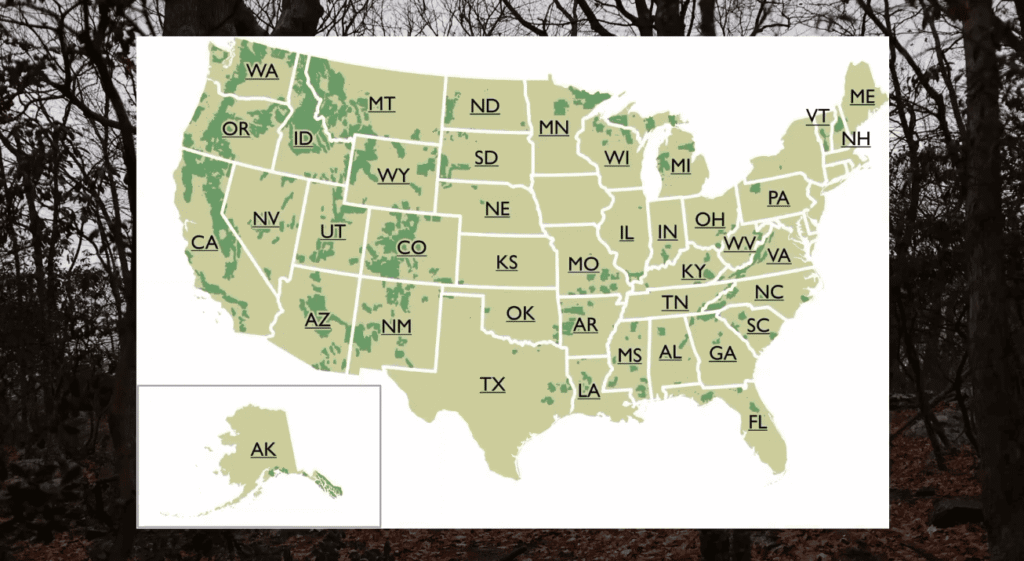
Congress establishes national parks under federal law, and the National Park Service (NPS) administers them. The NPS is part of the Department of the Interior. Its core duty is to conserve park resources and values while providing for public enjoyment.
The NPS manages 433 National Park System units covering more than 85 million acres. Only 63 of those units are formally designated national parks. The system also includes other kinds of federally protected places, so “National Park System unit” is a broader label than “national park.”
The NPS manages 433 National Park System units, but just 63 are formally designated national parks.
Yellowstone National Park, established in 1872, was the first national park. The NPS itself came later, in 1916. Those dates help explain why the first national park existed before the federal agency that now manages it.
State parks and state agencies
States designate and administer state parks through a parks agency or a larger department. The meaning of “state park,” its rules, and the structure of its park system can vary from one state to another.
State parks also have a long history, though states did not all follow the same path. The 1864 Yosemite Grant Act gave California control of Yosemite Valley and the Mariposa Big Tree Grove for public use, resort, and recreation. Niagara Falls State Park opened in 1885 and is recognized as the oldest continuously operating state park.
There are about 2,474 sites officially titled state parks in the United States, while state park systems encompass roughly 10,000 units. Those totals reflect different ways of counting. A park’s boundaries can also include land held under different ownership arrangements, rather than one continuous parcel with a single owner.
With the responsible agencies in view, you can better understand how their mandates and resources shape the practical differences you may notice on a trip.
National Park vs State Park: How the Differences Affect Your Trip
A state campground might offer hot showers and RV hookups, while a remote federal park may have no vehicle roads. The label alone cannot tell you which services you’ll find; check the individual park before building your itinerary.
These broad patterns can help you compare options, but they are tendencies, not rules. Neither system is always larger, cheaper, or better equipped.
| Comparison | National parks | State parks |
|---|---|---|
| Governing level | Federal, administered by NPS | State agency or department |
| Typical scale | Often larger individually | Often smaller, with notable exceptions |
| Funding | Congressional appropriations and fee revenue | A mix that varies by state |
| Amenities | Varies: Yosemite has lodging; Isle Royale has no vehicle roads | Many offer cabins, hookups, showers, or rentals |
Scale is especially hard to judge by the park label. California has roughly 280 state park units across about 1.5 million acres, while Alaska’s state park division oversees more than 3.4 million acres. Alaska’s Wood-Tikchik State Park is the country’s largest conventional state park.
Adirondack Park covers about six million acres, including roughly equal amounts of public and private land. It is larger than Yellowstone, yet its size and mix of ownership make a simple acreage comparison misleading. Small state parks may sit close to towns, while some federal parks are remote.
Funding also varies. State park systems may draw on legislative appropriations, user revenue, dedicated taxes, lottery proceeds, federal grants, bonds, and private support. National parks receive most operating funds through annual congressional appropriations. All entrance-fee revenue stays within the NPS, with at least 80 percent normally remaining at the park that collected it.
The Great American Outdoors Act of 2020 permanently funded the Land and Water Conservation Fund at $900 million a year. It also authorized the National Parks and Public Land Legacy Restoration Fund for fiscal years 2021 through 2025. These programs are part of the funding picture, not a guide to what any one site has available.
Services differ just as much. Yosemite has visitor centers, lodging, restaurants, and shops, while Isle Royale has no vehicle roads. Many state parks offer cabins, equipment rentals, boat ramps, RV hookups, hot showers, and sometimes Wi-Fi.
There is no single admission or camping price for either system. Check each park’s current fee schedule rather than assuming one kind of park costs less. Famous federal sites can draw crowds, and state parks can offer quieter alternatives, though the place and timing matter.
- Admission
- Campsite or lodging
- Reservation or permit charges
- Rental or activity fees
A national park pass covers eligible federal sites, not state park admission. States set their own fees and pass rules. Compare the actual costs and services you need, then turn to activities and route planning.
Which Park Fits Your Trip and Activities?
You have one weekend: do you spend it traveling to a major landmark, or explore a closer local destination? Your available time may matter more than the park label, especially if a long drive leaves little time on the trail.
Hiking, camping, fishing, swimming, biking, and water activities can be available in either system, depending on the site. Choose by the activity you want, the rules that apply, and the time you have.
For a national park vs state park California search, Yosemite is a nationally known option, while state parks offer destinations across the state. California has roughly 280 state park units, so narrow your search by region and activity rather than trying to compare every park at once.
A national park vs state park map can help you spot nearby stops, but use official agency maps for boundaries, access points, and travel distances. A boundary on a map does not guarantee that every parcel inside it has the same ownership. Check which agency manages the place and which roads or entrances serve it.
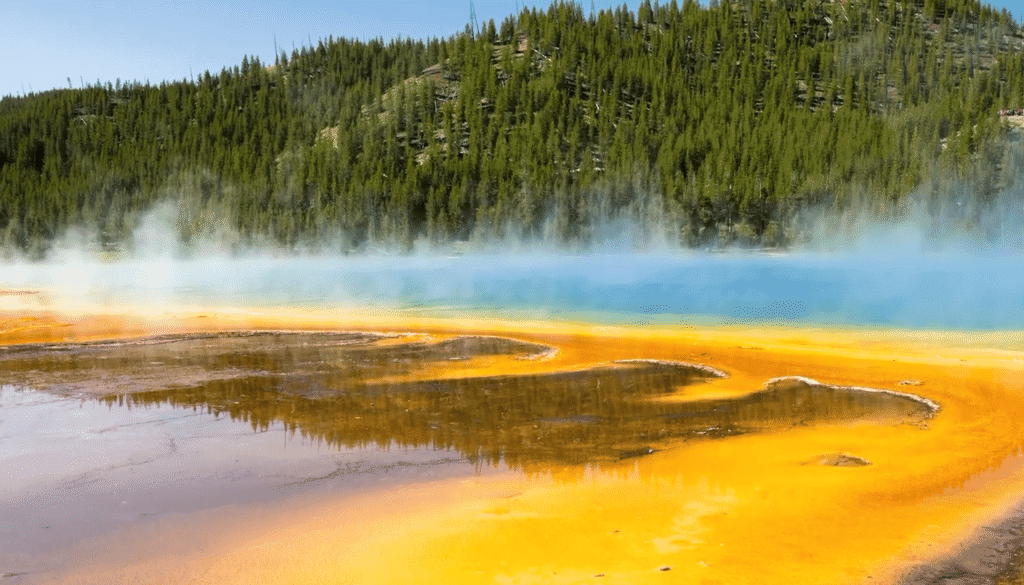
Short distances between destinations can make a mixed itinerary more practical than trying to see one large area in a single trip. You might pair a national park with a nearby state park, or add another outdoor stop that fits your route.
National parks are one part of a wider outdoor itinerary, not the only places worth visiting. The right combination depends on what you hope to do and how far you want to travel between stops.
- Choose the activity you most want to do.
- Check the managing agency’s current rules and reservation requirements.
- Compare travel time between stops using official maps.
- Confirm fees and services before departure.
Use the same checks for every stop, even when a park seems familiar. Access, reservations, and permitted activities can differ between nearby places and can affect how much of your weekend is spent enjoying the outdoors.
Pick the destination that suits your activity, schedule, and comfort with crowds. Nearby federal designations can also fit your plans, though their purposes and rules differ from those of national parks.
How Do Forests, Monuments, and Preserves Differ?
A traveler leaving Yellowstone for a neighboring national forest may find different land-use rules just across the boundary. The change matters: federal public lands can protect different values and allow different activities. A map label is a clue, not a complete guide to what you can do there.
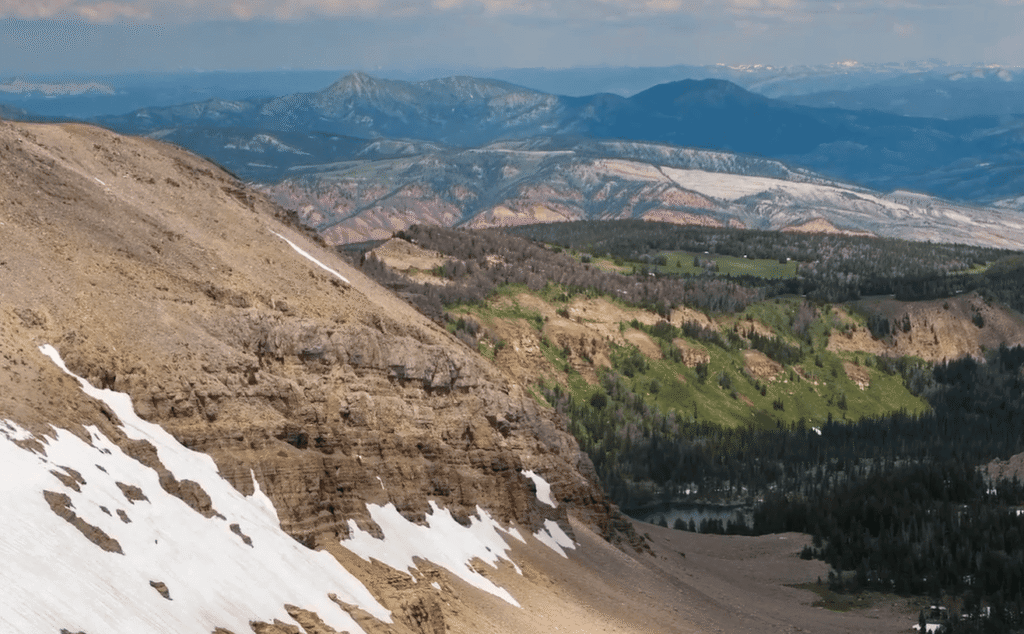
Read the site’s rules before assuming a designation allows or forbids an activity. Several federal land labels may appear near parks, but they do not all describe the same purpose or management approach.
A land designation is a useful clue, but the site’s rules determine which activities are allowed.
National parks, national forests, and national monuments
The NPS emphasizes preserving national parks while allowing public enjoyment. National forests use a multi-use approach. Depending on local limits, that approach can allow logging, grazing, mining, fishing, off-roading, and hunting.
The phrase national park vs national forest vs national monument captures three different purposes: preserving park resources, managing forests for multiple uses, and protecting a particular feature. A national monument can protect a specific natural, cultural, or historic feature rather than an entire landscape. Monuments may be managed by different federal agencies.
Devils Tower was established as the first national monument in 1906. Some national monuments later become national parks, but the designations are not interchangeable. For example, Angeles National Forest and Cabrillo National Monument have different labels and land-management aims.
Preserves, wilderness areas, and recreation areas
A national preserve can protect important resources while allowing some uses under specific conditions. Depending on the place, those uses may include oil extraction, hunting, and trapping. Mojave National Preserve is one example of this designation.
Wilderness areas generally have little to no human development. They usually lack roads, power lines, and structures, which limits access and helps keep the land undeveloped. The exact rules still depend on the area and its governing regulations.
National recreation areas are associated with bodies of water and provide public access for water-based recreation. Santa Monica Mountains National Recreation Area is an example of the designation. Its name does not, by itself, tell you which activities are allowed at a particular access point.
Rules vary by site and designation, so the name alone does not settle whether camping, hunting, or motorized access is allowed. Check the managing agency’s current guidance before you plan a visit. That extra step helps you choose a place for the experience you want, rather than relying on its label.
For a quiet hike, a developed campground, or a landscape managed for several uses, the best fit depends on your priorities. Start with the experience you want, then use the site’s designation and rules to narrow your choice.
Conclusion
Choose a park for the experience you want, not just the words on its sign. Management is the firmest distinction between national and state parks; size, cost, scenery, crowds, and amenities vary by site.
Either system can offer a memorable place to spend your time and find natural beauty. Pick one activity, then check the official park page for current fees, access details, and rules before you leave.