
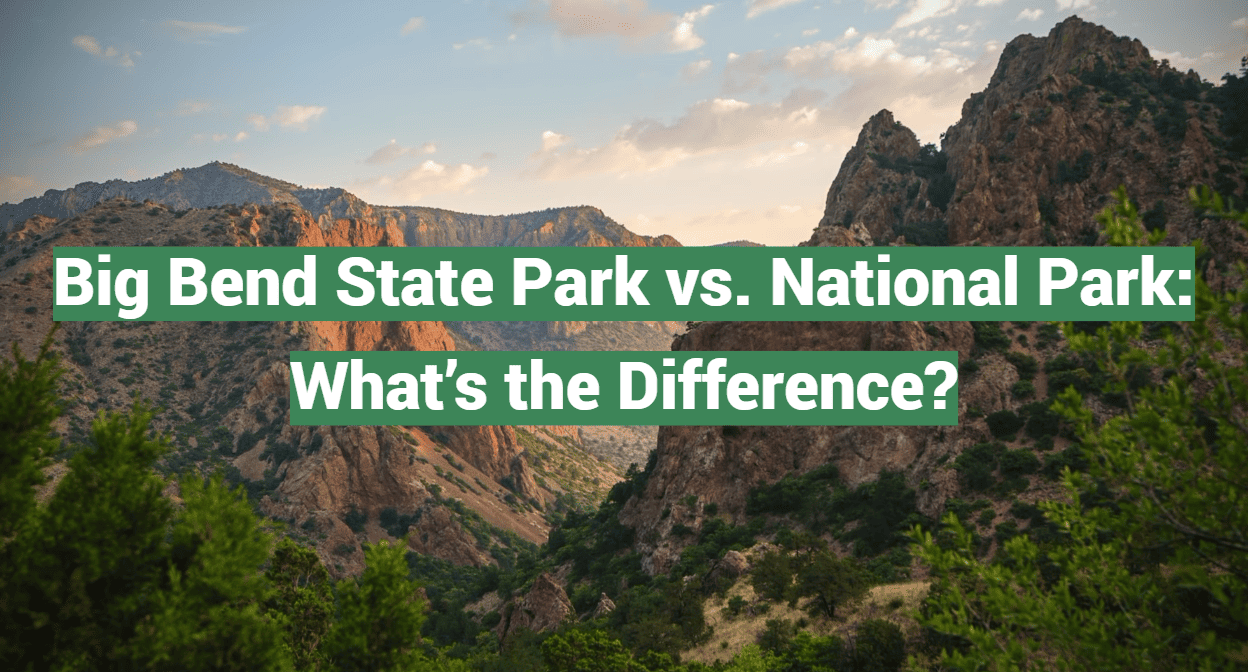
A traveler who wants a more structured park visit and one seeking a rugged, self-reliant outing may prefer different Big Bend parks. Big Bend Ranch State Park is the largest state park in Texas, while Big Bend National Park is a separate destination in the same West Texas region. They are not two names for one park.
Your trip choice depends on the experience you want, the time you have, and how much preparation feels right. A multiuse trail is a trail designated for more than one activity, such as hiking, biking, or horseback riding. This comparison helps you weigh the parks’ options without treating one as the automatic winner.
Key Takeaways
- Big Bend National Park suits a more structured park visit.
- Big Bend Ranch State Park offers a rugged, self-reliant outing.
- Each park is a distinct destination in West Texas.
- Maps, routes, conditions, and reservations shape your plans.
- Your best choice depends on your interests and preparation.
The comparison starts with what each park’s scale and landscapes mean on the ground.
Big Bend State Park vs National Park: What Sets Their Scale and Scenery Apart?
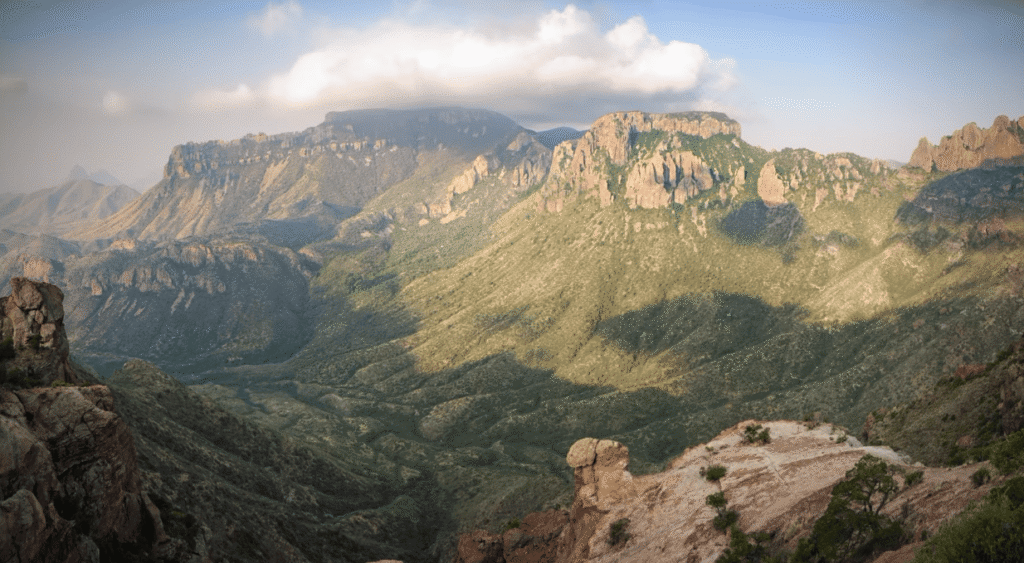
The most visible difference on a map is the balance between mountain-and-desert landmarks and a more rugged Rio Grande border setting. Big Bend National Park centers on the Chisos Mountains and surrounding desert, while Big Bend Ranch State Park stretches along the Rio Grande on the U.S.-Mexico border.
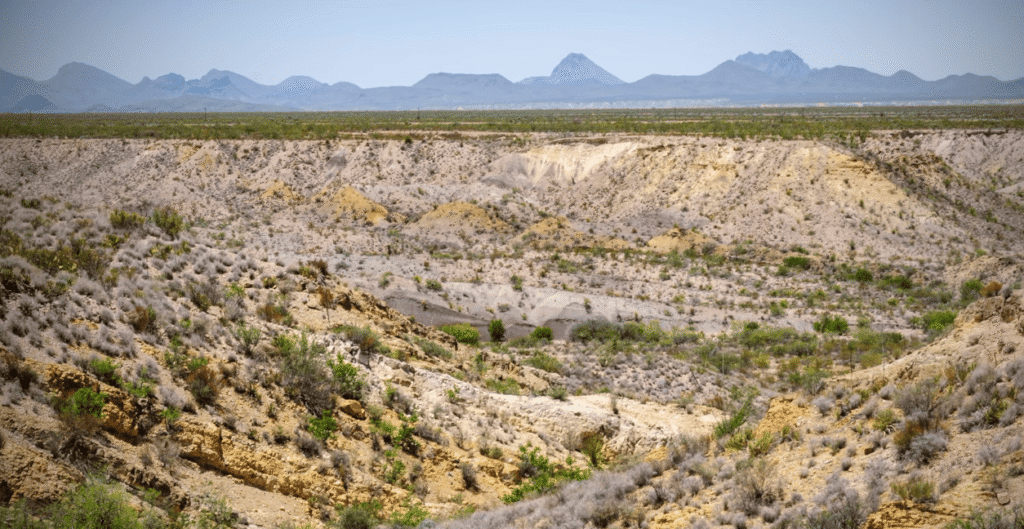
The parks’ trail figures describe trail networks, not their total area. Big Bend National Park has more than 150 miles of desert and mountain trails. Big Bend Ranch State Park has 238 miles of multiuse trails, but mileage alone does not show which park covers more land.
Trail mileage measures routes, while park acreage measures land. Do not use trail figures to decide which park has the larger total area.
How do the landscapes differ?
Big Bend National Park pairs the Chisos Mountains with desert terrain and mountain views. Its map can help you connect mountain destinations with desert landmarks, rather than assuming the park has one uniform landscape.
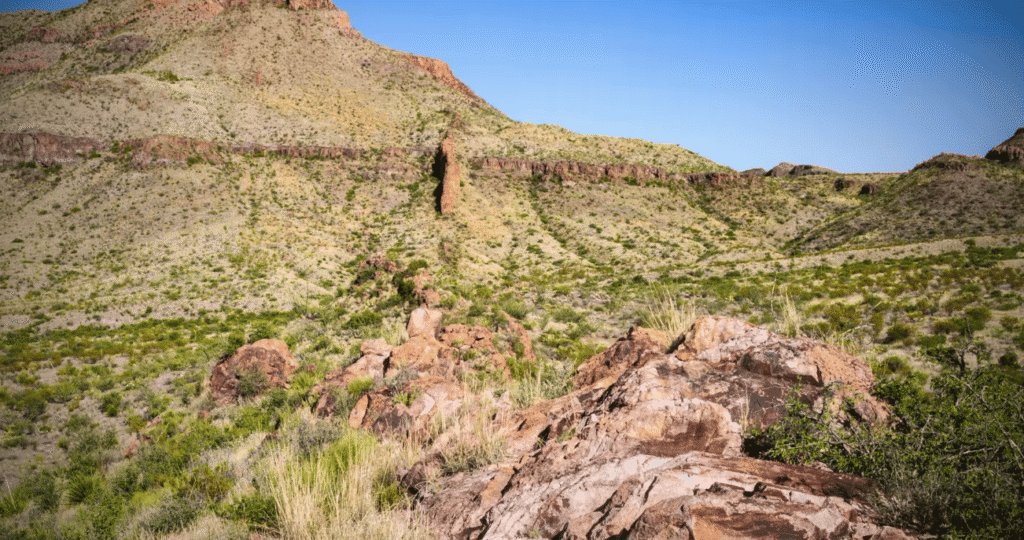
Big Bend Ranch State Park has rugged mountains, steep canyons, and a striking Rio Grande setting. Its scenery follows a different pattern: the river and border country shape the experience alongside remote, rough terrain. Both parks offer a sense of space, but their points of interest sit in distinct settings.
What can a map and the trail networks tell you?
A Big Bend National Park map helps you locate its own boundaries and points of interest. A map comparing both parks can help you see how their locations differ across the region. Neither map replaces checking the other park’s map, and the parks should not be treated as sharing a boundary.
The trail totals offer another useful point of comparison. Big Bend Ranch State Park’s 238 miles of multiuse trails and the national park’s more than 150 miles of desert and mountain trails describe different networks. They do not measure acreage or tell you how much land either park contains.
Camping options also differ. Big Bend National Park has four developed campgrounds and primitive backcountry camping. Big Bend Ranch State Park offers drive-up and hike-in primitive sites, as well as equestrian sites.
| Attribute | Big Bend National Park | Big Bend Ranch State Park |
|---|---|---|
| Landscape | Chisos Mountains, desert, and mountain terrain | Rugged mountains, steep canyons, and Rio Grande setting |
| Trail network | More than 150 miles of desert and mountain trails | 238 miles of multiuse trails |
| Camping | Four developed campgrounds and primitive backcountry camping | Drive-up and hike-in primitive sites, plus equestrian sites |
Move from the broad map view to the roads and driving demands that shape access.
How Do Roads, Maps, and Driving Time Change the Visit?
A visitor coming from far away needs a starting point before any mileage estimate can be useful. How far is Big Bend National Park has no single answer without knowing where your drive begins. The trip to the region is separate from travel once you reach a park.
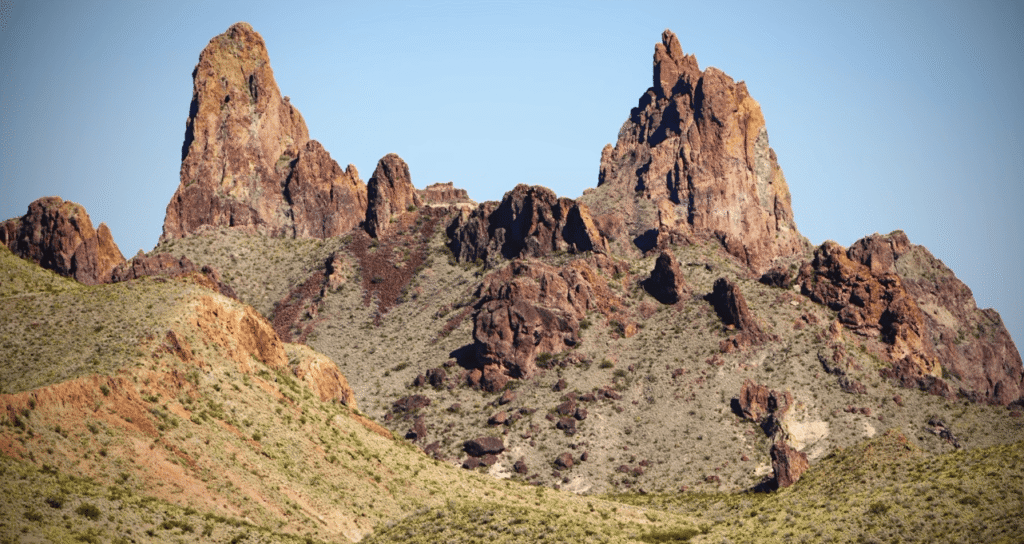
Check the exact route and current road conditions before choosing a vehicle or setting a schedule. Big Bend National Park has paved highways and dirt roads. Big Bend Ranch State Park has both two-wheel-drive and four-wheel-drive roads, so not every route requires four-wheel drive.
How far is Big Bend National Park?
Your starting point determines the distance to Big Bend National Park. A mileage estimate from one city cannot answer the same question for someone leaving from another. Once you reach the region, your destination within the park adds more driving time.
Study Butte can serve as a reference point when planning destinations in the area, but it does not replace checking the route to your specific stop. A route to one park entrance is not the same as a route to a trailhead or other destination inside the park.
Searches for a big bend state park vs national park map can help you distinguish the two destinations. Keep a separate Big Bend National Park map and state park map in your planning process. Check each park’s current map and road conditions before you commit to a route.
Which roads suit your vehicle?
Big Bend Ranch State Park has 70 miles of unmaintained dirt roads for high-clearance four-wheel-drive vehicles. That figure does not mean every road in the state park has the same requirements. Camino del Rio (FM 170) is a scenic route through the state park.
For either park, match the road to your vehicle, not the other way around. A route that is suitable for one vehicle may not suit another, especially on rough, unmaintained roads. Allow extra time when your plan includes those roads.
- Identify the exact park and destination.
- Check the road surface for your planned route.
- Match vehicle clearance and drivetrain to the route.
- Allow extra time for rough, unmaintained roads.
Once you know what your vehicle and route can handle, turn to the experiences each park makes possible.
What Can You Do in Each Park?
A visitor hoping to paddle, ride a mountain bike, or join a ranger program should start by matching the activity to the park that offers it. Big Bend Ranch State Park supports a wide range of outings, while Big Bend National Park offers its own mix of guided and self-directed experiences.
Do not assume an activity available with an outfitter or in one district is available everywhere in either park. Check the location and provider details for the specific outing you want. That small step can keep an appealing idea from turning into a day-of surprise.
Which activities fit a day in Big Bend Ranch State Park?
At Big Bend Ranch State Park, you can hike, mountain-bike, backpack, paddle, ride horses, and explore by vehicle. You can choose a self-directed outing or look for commercial outfitters that offer guided activities and rent gear.
The Rio Grande/Rio Bravo area in the state park offers day-use access for floating, fishing, and hiking. If you see the phrase Big Bend River in trip information, river outings here refer to the Rio Grande, not a separately named river. Check the exact access point and details for your chosen activity.
The state park is also an International Dark Sky Park, which gives you another reason to plan around the night sky. If you want to stay outdoors after dark, check what your chosen site and itinerary allow. Outfitter services can add support, but they are optional and vary by activity.
What experiences can you plan in Big Bend National Park?
Big Bend National Park offers day hikes, scenic drives, ranger programs, birding, nature study, and camping. You can build a visit around a trail, a ranger-led program, or time spent observing the desert and its wildlife.
For a day visit, select a manageable destination rather than trying to cover the whole park. A scenic drive can connect several stops, while a hike or ranger program may call for a slower schedule. Birding and nature study also reward time spent watching and listening.
Compare the activity, location, and support available before you make a plan. A commercial outfitter’s service does not mean the same activity is offered in every district, and a park’s general activity options do not promise access everywhere. After comparing experiences, give yourself a practical way to weigh conditions, costs, and time.
How Should You Plan Costs, Conditions, and Time?
The trip budget is not just an entrance fee, especially if it includes an overnight stay, a permit, or a guided outing. Plan for each item separately, since entry, overnight stays, permits, and optional outfitter services may involve different charges.
No current admission, camping, or permit prices are provided here, so do not rely on guessed amounts. Check current charges and reservation rules for Big Bend National Park and Big Bend Ranch State Park separately. A fee or reservation detail for one park does not set the terms for the other.
What fees should you verify before going?
Start with the entry charge for your chosen destination, then check any camping or permit costs that apply to your plans. If you book a guided outing or rent gear, add those optional services to your budget. Confirm reservation rules for your specific overnight choice.
Big Bend Ranch State Park has drive-up and hike-in primitive campsites, equestrian campsites, and lodging at the Sauceda Bunkhouse. These options give you different ways to stay, but availability and reservation details depend on the specific choice. Check the rules before you build the rest of your trip around it.
How do heat and time affect your itinerary?
During warm-weather months at Big Bend Ranch State Park, temperatures typically exceed 100°F by late morning and can reach 130°F in the sun. Dangerous heat can continue after sunset. Carry plenty of extra water and stay off trails in the afternoon during dangerous heat.
In dangerous heat, carry plenty of extra water and avoid afternoon trail exposure. Heat can remain dangerous even after sunset.
Build your day around the conditions, not just the number of stops you hope to make. A strenuous hike needs a safer time window, and a long drive can shrink the time left for your main activity. Leave room for delays and breaks.
- Confirm current park charges.
- Reserve or verify your chosen overnight option.
- Plan demanding hikes for safer conditions.
- Leave enough time for your selected activity and driving.
With those details in hand, you can make a practical final choice and take one concrete step before departure.
Conclusion
The better choice is the park that fits the kind of day you want and the preparation you can bring. Choose Big Bend National Park for a more structured park visit, or Big Bend Ranch State Park for a rugged, self-reliant experience. Neither is a universal winner.
Your next step is to check the relevant park map, current conditions, and reservation or fee details for the destination you choose. Before leaving, confirm current conditions and book or confirm any arrangements you need.